Some extracurricular projects
My 8 DOF spider robot: making it learn to walk
November 7th, 2018
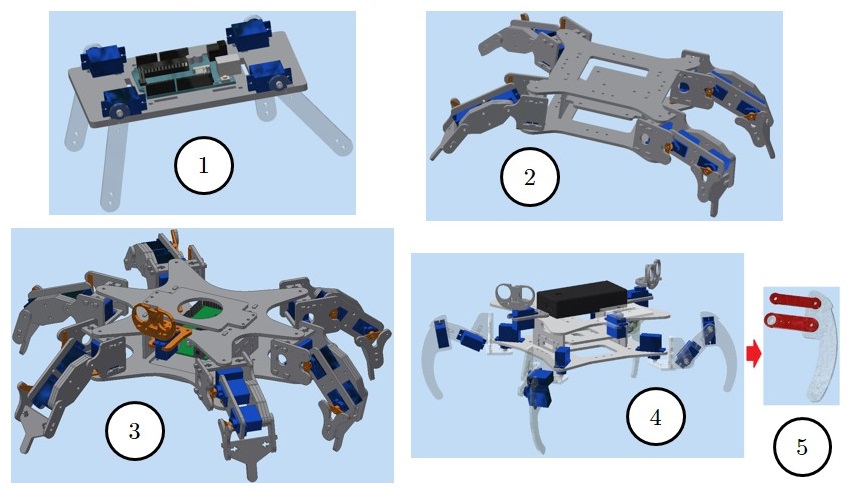
When I was studying machine learning, I wanted to use those techniques in a physical environment. Thus, I built a 8 DOF spider robot. I followed the Kamrani’s rapid prototyping methodology: start with a simple design, build it, add more features, make the needed corrections, and then iterate the process several times.
I developed this project entirely on my own initiative, outside the requirements of any course, driven by my own curiosity and passion for building physical robots.
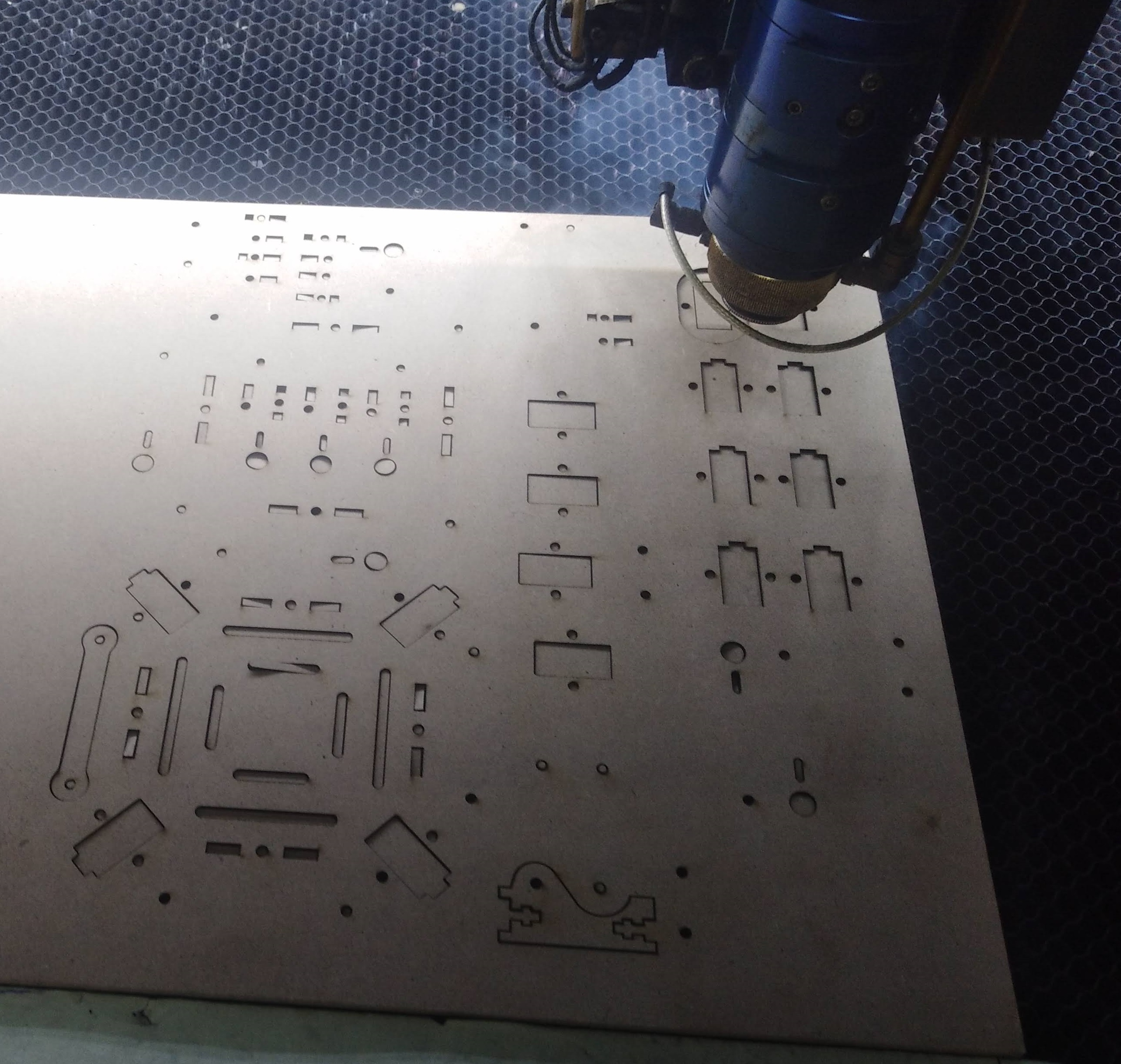
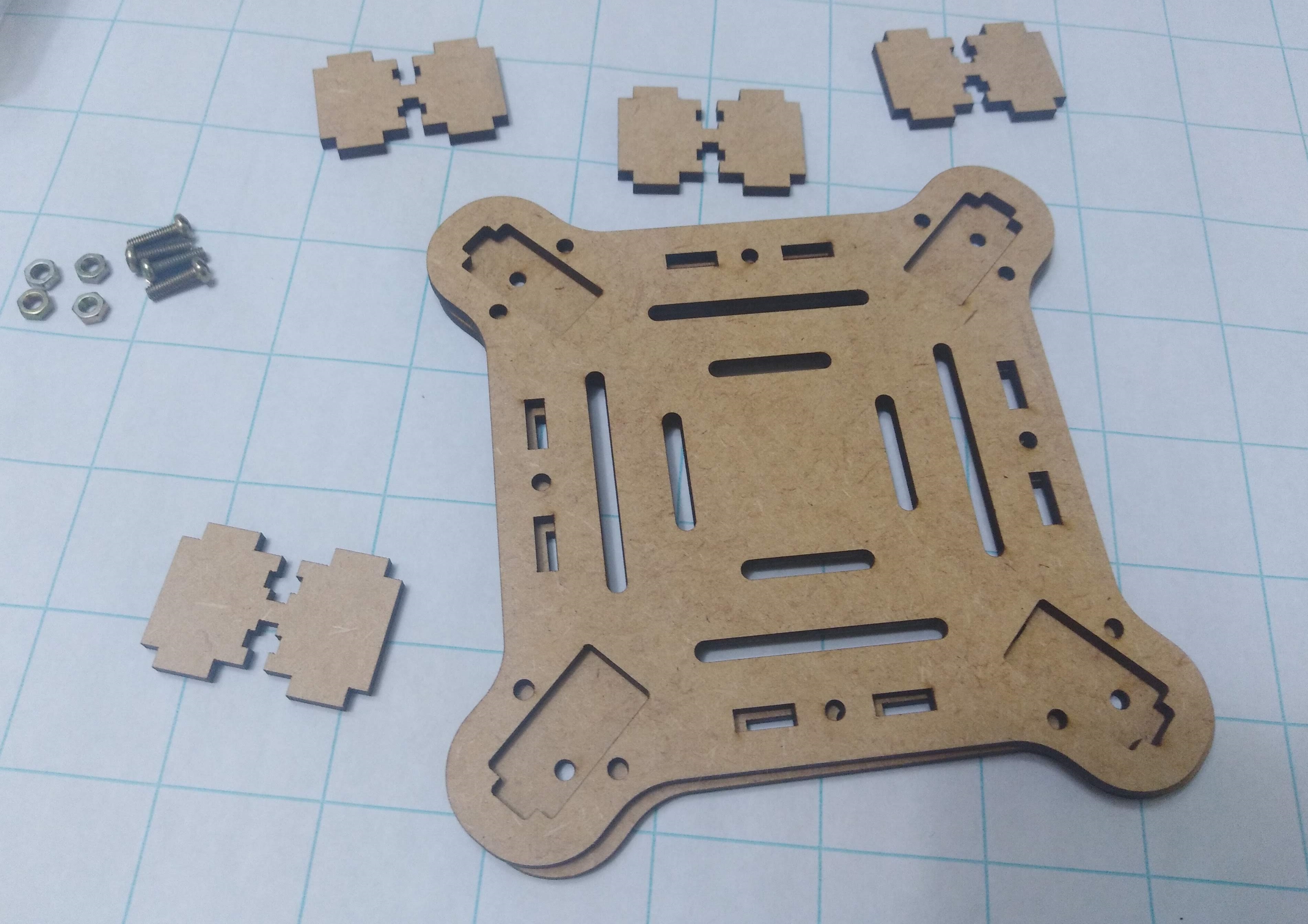
For the mechanical structure, I laser-cutted MDF and then assembled the pieces.
Regarding the electronics of the spider, it has a 9 DOF IMU (for measuring the 3D orientation), it has a current sensor (to measure the amperage consumed during the gait), and other components.
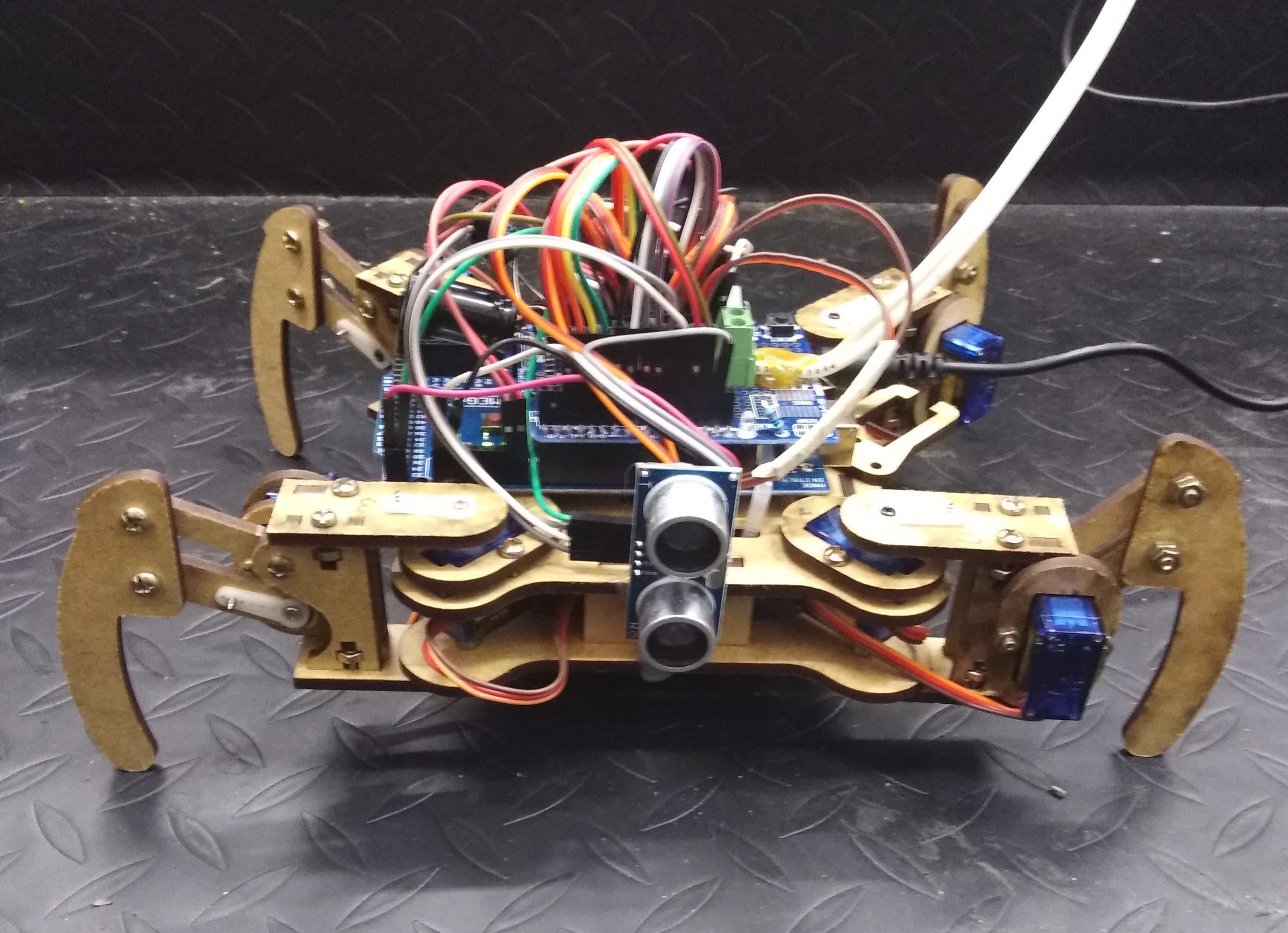
I developed the robot’s walking algorithm using genetic algorithms and supervised machine learning to optimize a reward function, without using reinforcement learning techniques. This spider robot later served as the foundation for a scaled-up platform I designed to navigate uneven terrain for landmine detection. That extended version was presented as part of my bachelor’s degree thesis.